Good On Paper
Why hyped games don’t always make great game nights.
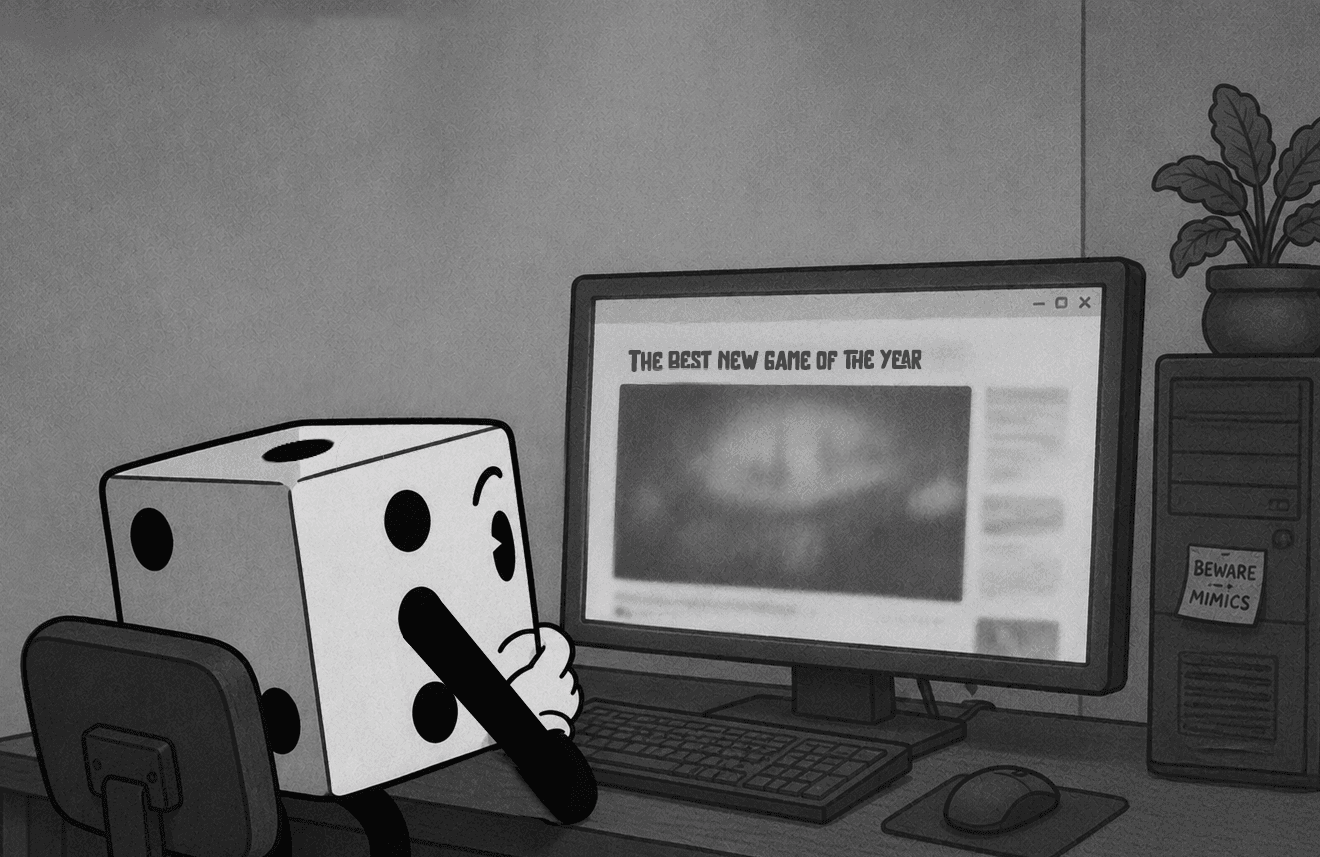
There is a particular kind of board game that looks flawless before it ever reaches the table. They have clever mechanics, elegant systems, interesting decisions. Reviews call it “elegant,” “deep,” or “one of the most rewarding games of the year.” You watch a playthrough and start imagining the moments before they’ve even happened. The tension. The drama. The genius decisions. On paper, it’s excellent. And then… you play it... and it's not as good as you thought.
The problem is that some games are better in theory than in practice.
They're not particularly bad or even broken games. They are Good on Paper, but I'm afraid that's not the same as good at the table.
A Good on Paper game often appeals to the part of us that likes ideas. We enjoy reading about how systems interlock, how choices cascade, how everything has been carefully balanced. It feels intelligent, considered, even grown-up.
But board games don’t happen in the hype. They happen at the table, with people who have different levels of expectations. This is the strange gap between a game being good on paper and actually being good at the table.
The problem isn’t that the game failed. It’s that we confuse intellectual appeal with social enjoyment. Or mistaking our own enthusiasm for universal fit. The problem is when the hyped game reaches the table, you’re no longer discovering it. You’re waiting for it to confirm everything you’ve already been told to feel.
This has happened to me on numerous occasions and quite honestly, it sucks. Not because the games are bad, but because the anticipation was so much bigger than the actual experience. The disappointment often comes from confusing admiration with enjoyment. Reviews don’t always help with this either.
Not because reviewers are dishonest. Most are genuinely trying to explain why they enjoyed a game. The problem is that enjoyment is personal, and hype has a way of turning preference into authority.
A reviewer might love deep strategic optimisation, heavy player interaction, brutal randomness, or three-hour economic simulations. That enthusiasm naturally bleeds into the review.
And that’s the trap.
We often watch reviews trying to answer: “Is this game good?”
When the better question is: “Is this game good for us?”
Those are completely different things.
A game can receive incredible reviews, climb rankings, win awards, and still fall completely flat with your group. Not because anyone lied about it.
The issue isn’t even the game itself. It’s expectation. Hype inflates the experience before you ever play it. By the time it reaches the table, you’re expecting something transformative. Not just a good game night, but an event. A future top 10 game. A new favourite. And when the experience ends up merely “good,” it can feel disappointing simply because the expectation was so inflated.
That’s why understanding a game matters more than chasing excitement around it.
Before reviews, ratings, and hot takes, you need context.
What kind of game is this actually?
Is it:
highly strategic or more social?
skill-driven or luck-driven?
tense and competitive or relaxed and casual?
a heavy euro full of optimisation?
an American-style spectacle built around moments and interaction?
a game for committed hobby players?
or something designed to flow easily with mixed groups?
Those things matter far more than a numerical score ever will.
That’s the thinking behind the Boardgamer DNA system.
The goal isn’t to tell us whether a game is objectively good. That’s impossible anyway. The goal is to help us understand the shape of a game before hype gets involved.
Because once we understand the DNA of a game, reviews become more useful. We stop treating every glowing recommendation as universal truth. Instead, we begin filtering opinions through taste, context, and group fit.
We start recognising reviewers who consistently align with your preferences. We notice patterns in the games our group actually enjoys. We stop buying games simply because everyone online sounds excited for two weeks.
And then the hit rate improves, because you stopped expecting every highly rated game to magically fit every table.
A game can be good on paper. But it also needs to be good on game night.
And that only really happens when you understand the game on a deeper level before you ever look at what people say about it. Honestly, the older I get in this hobby, the more I’ve realised I’m less interested in chasing hype and far more interested in understanding what I actually love.